

After you are hurt at work, you might hope for a quick response from the insurance company. Instead, you might get something that says the claim is “under investigation.” While this can be frustrating, there is a protection called the 90-day rule that can help. It sets a time limit for workers’ compensation insurers to respond to the claim one way or the other.
At Ratto Law Firm, P.C., our California workers’ compensation attorneys are ready to help. We help you deal with denied claims and ensure the insurance company gets back to you with a decision within the appropriate timeframe.
What Is California’s 90-Day Rule?
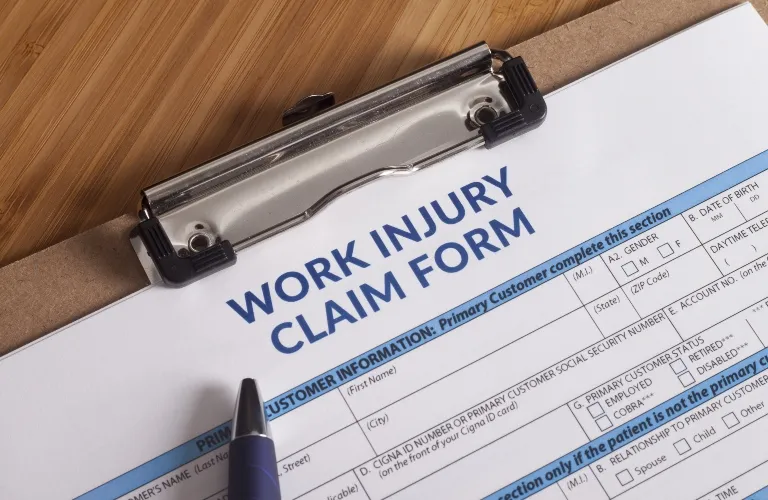
When an injured worker files a workers’ compensation claim form, the employer and insurance carrier generally have 90 days to investigate the claim and decide whether to accept or deny liability. The rule exists to prevent claims from sitting there indefinitely.
During the investigation period, the insurance company may:
- Review medical records
- Interview witnesses
- Evaluate the accident circumstances
- Request additional documentation
- Obtain medical opinions
The purpose of the investigation is to determine whether the injury is work-related and covered by California’s workers’ compensation system.
What Happens If the Insurance Company Does Nothing?
This is where the 90-day rule becomes especially important. If liability is not rejected within 90 days after a properly filed workers’ compensation claim, California law usually creates a presumption that the injury is payable. That means the claim may be presumed valid if the employer or insurance company fails to deny it within the required timeframe.
Many injured workers mistakenly assume that a delay automatically means their claim will eventually be denied. In reality, the opposite may be true. A delayed decision can sometimes strengthen an injured worker’s position.
Why the 90-Day Rule Matters
The 90-day deadline encourages employers and insurance carriers to investigate claims promptly rather than leaving injured workers waiting for months without answers. Without this kind of rule, claim investigations could continue for extended periods while injured workers struggle with the costs of medical bills and time lost off of work.
The rule requires a timely decision to be fairer to you.
Does the Insurance Company Still Get to Investigate?
Yes, the insurance company does still investigate your claim. The 90-day period exists specifically to allow an investigation.
Filing a claim does not automatically guarantee approval, and insurance carriers have the right to evaluate whether:
- The injury occurred at work
- The injury was caused by job duties
- The worker was acting within the scope of employment
- Medical evidence supports the claim
- Other legal defenses may apply
What Benefits Are Available During the Investigation?
Many workers are surprised to learn that they may still receive certain medical benefits while the claim is being investigated. Depending on the circumstances, treatment may be authorized before the insurance company makes a final decision regarding liability.
This can be especially important for workers who need immediate medical attention following an injury. Early treatment may help:
- Prevent medical complications
- Document the injury
- Support recovery
- Improve return-to-work outcomes
Can an Insurance Company Deny a Claim After 90 Days?
The answer is more complicated than a simple yes or no. Once the 90-day presumption applies, the employer or insurance carrier faces additional challenges when attempting to dispute the claim.
The law generally limits the ability to rely on evidence that could have been discovered during the original investigation period. As a result, missing the 90-day deadline can create significant legal obstacles for the defense.
However, every workers’ compensation case is different, and the specific facts of the claim can affect how the rule is applied.
Common Reasons Claims Are Delayed
Not every delay is the result of bad faith or misconduct. Investigations may take time when there are questions involving:
- Conflicting witness statements
- Pre-existing medical conditions
- Gradual or cumulative trauma injuries
- Lack of medical documentation
- Disputed accident details
- Questions regarding employment status
What Should Injured Workers Do During the 90 Days?
Workers can help protect their claims by remaining proactive throughout the investigation period. Important steps may include:
- Reporting the injury promptly
- Completing all required forms
- Keeping copies of documents
- Attending medical appointments
- Following treatment recommendations
- Maintaining records of communications
- Monitoring claim status updates
Know Your Rights Under California’s Workers’ Comp System
You have the right to receive a response to your claim within the correct timeframe. We can help you fight back against delayed or denied claims.
Our team at Ratto Law Firm, P.C. provides you with the advice and representation you need. Contact us today for a consultation.