
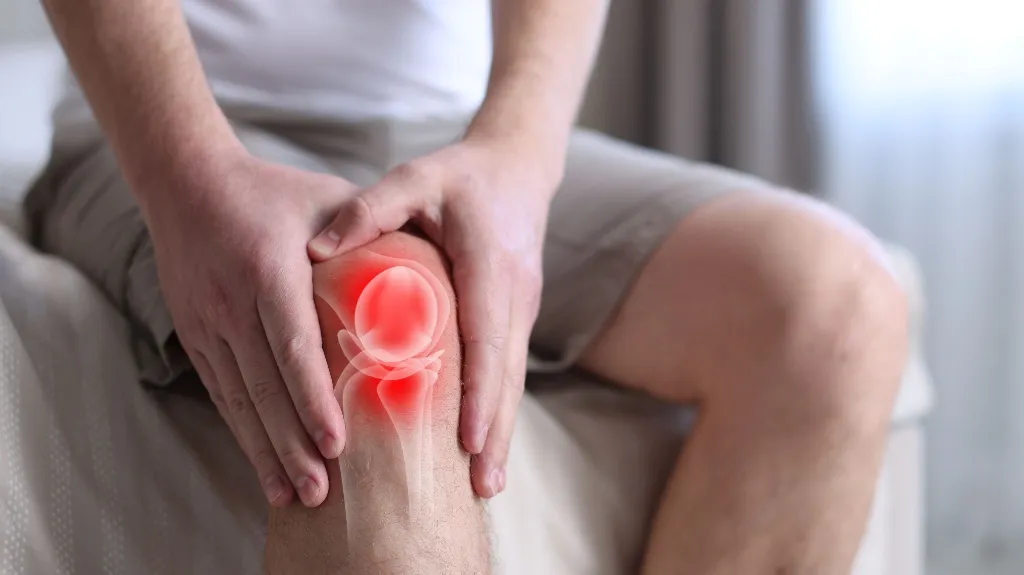
Yes, you can receive California workers’ comp benefits for a knee injury that develops over time. Many jobs result in slowly developing knee problems. Kneeling on concrete, heavy lifting, and much more can damage your knees. Gradual onset damage can be just as bad as a sudden accident injury, so you deserve compensation for these injuries.
At Ratto Law Firm, P.C., our California workers’ compensation attorneys help you seek compensation for knee injuries that occur over time, and any other work injuries you face. Let us examine your case to develop a strategy for you.
California Recognizes Knee Injuries That Develop Gradually
California workers’ compensation law covers two types of injuries:
- Specific injuries that happen in a single incident
- Cumulative trauma injuries that happen because of repetitive stress or acts
A knee injury that develops gradually, such as chronic meniscus damage, patellar tendinitis, bursitis, or osteoarthritis aggravated by work, falls under cumulative trauma. These injuries are common in physically demanding jobs, including:
- Construction and carpentry
- Warehouse and logistics
- Healthcare and caregiving
- Manufacturing and assembly line work
- Hospitality and food service
- Landscaping and agricultural labor
If your job duties contributed to your knee condition, even partially, you may be entitled to workers’ compensation benefits.
What You Must Prove in a Cumulative Trauma Knee Injury Claim
Insurance companies will often try to deny these claims, hoping they can get out of their duty to cover them. To qualify for benefits, you must show:
- Your work activities caused or contributed to the knee injury
- You reported the injury within the legal timeframe, defined as when you knew or should have known that the knee injury was work related
- Medical evidence that supports the connection
- You followed the workers’ comp process
This includes reporting the injury, completing the DWC-1 claim form, and treating with an approved medical provider.
When these elements are documented clearly, cumulative trauma knee claims can be just as strong as claims involving sudden injuries.
Common Knee Conditions That Develop Over Time
Many knee injuries linked to repetitive work activities qualify for workers’ comp, including:
- Meniscus tears from repeated squatting or twisting
- Patellar tendinitis (“jumper’s knee”) from frequent climbing or lifting
- Bursitis from kneeling on hard surfaces
- Ligament strain from repetitive stress
- Osteoarthritis aggravated by years of heavy labor
- IT band syndrome from prolonged standing or walking
Even if you have a pre-existing knee condition, you may still qualify if work made it worse. California law protects workers whose jobs accelerate or aggravate underlying issues.
Why Insurance Companies Often Deny Gradual Knee Injury Claims
Cumulative trauma claims are frequently disputed because:
- There is no single accident date
- Symptoms may appear gradually
- Workers may delay reporting the injury
- Insurers may blame age, weight, or hobbies instead of work
- Medical records may not initially mention work-related causes
A denial does not mean you don’t have a valid claim. It simply means you need stronger medical documentation and legal support to prove the connection between your job duties and your knee condition.

How to Strengthen a Cumulative Trauma Knee Injury Claim
You can strengthen your case by:
- Documenting your job duties
- Reporting your symptoms early
- Getting medical care promptly
- Being consistent with your medical history and description of events
- Keep a record of your pain
- Note any limitations because of your injury
- Speak with a California workers’ comp attorney about your situation
Get Compensation for California Workplace Knee Injuries
Whether it’s taken years or a single day to develop your knee injury, you could be entitled to compensation through California’s workers’ compensation system. We’re here to help you pursue it.
Our team at Ratto Law Firm, P.C. provides you with the advice and representation you need. Contact us today for a consultation.