
Work related motor vehicle accident workers’ comp claims are a case type that Ratto Law Firm, P.C.’s team has a great deal of experience in helping our clients both to understand the process and, most importantly, win these cases.
The legal term, respondent superior, means that an employer is legally responsible for actions taken by their employees while they are conducting business under their job description.
Need Help Now?
These situations can include the following while operating a motor vehicle:
● Running Work Related Errands in a Motor Vehicle
● Driving to and from Off Site Job Locations
● Making a Delivery in a Motor Vehicle
● Travel that the Employee is Compensated by the Employer For
● Driving Another Employee for Work Related Purposes
● Operating a Company or Other Authorized Vehicle While Performing Other Job Related Tasks or Duties
One of the things we stress to anyone seeking workers’ compensation benefits is to know what the time period is in which you have to report the incident that you need to file a claim for.
While the time period you have to file may vary between employers and their individual policies, the shortest amount of time to report an incident is no longer than 24 hours. Making an incident report (and ensuring that you receive a copy of your own report immediately) is important to be certain that the facts of the situation are recalled and written down correctly.
Why Work-Related Vehicle Accidents Are More Common—and More Complex—Than You Think
Motor vehicle accidents are a leading cause of fatalities and serious injuries in California. Drivers, ride-share operators, supervisors, and sales reps spend hours on the road each week as part of their jobs. Unlike commuting, which is not generally covered, work-related driving is fully compensable under the state’s workers’ compensation system. However, insurers often deny claims by mischaracterizing trips as personal or routine commuting. We at Ratto Law have helped many clients prove the nature of their work travel and overturned these denials.
How Workers’ Comp Payments are Determined
Understanding “Course and Scope”: What Makes a Drive Compensable?
California law makes a crucial distinction: travel from home to a regular place of work is usually not covered, but if a worker deviates from this routine – especially if directed by their employer – the trip becomes compensable. For example:
A plumber who is dispatched to three different homes in one day is covered for the entire route, even if the stops are brief. A warehouse worker who is sent to pick up supplies from a vendor is also covered, even if they stop briefly. A nurse who travels between patient homes for in-home care is on the clock the entire time, and even deviations for basic needs, such as stopping for gas, food, or a bathroom break during a long delivery route, are typically considered “incidental” to employment and remain covered.
Our attorneys analyze your job description, dispatch records, GPS logs, and paystubs to build a strong case that your accident occurred while you were performing work duties.
Common Injuries in Work-Related Auto Accidents
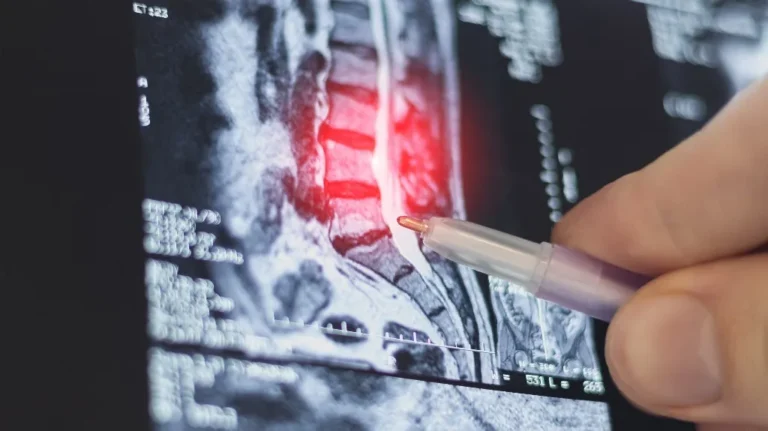
These accidents often lead to severe and life-changing injuries, such as traumatic brain injuries, spinal cord damage, broken bones, internal organ damage, and psychological issues like PTSD. Recovery may require emergency surgery, months of physical therapy, and long-term disability support. Workers’ compensation should cover all related medical expenses, temporary disability payments (usually two-thirds of your salary), and permanent disability benefits if you are left with permanent impairments. However, without legal assistance, insurance companies may deny necessary treatment, stop payments prematurely, or undervalue your disability rating, leaving you financially vulnerable during recovery.
The 24-Hour Reporting Rule—and Why Documentation Is Critical
As noted, reporting your accident within 24 hours is essential—but it’s only the first step. You should also:
- Take photos of the accident scene, vehicle damage, and any visible injuries
- Collect contact information from witnesses and other drivers
- Request a copy of the police report (if filed)
- Keep a journal of your symptoms, missed work days, and treatment appointments
- Insurance companies often use minor inconsistencies or delays to argue your injury isn’t work-related or as severe as claimed. We help you organize this evidence into a compelling narrative that aligns with medical records and employment documentation.
When a Third-Party Claim Adds Critical Value
In many work-related car accidents, another driver is responsible. While workers’ compensation provides essential benefits, it does not cover pain and suffering, emotional distress, or lost wages. However, you may have a separate personal injury claim against the at-fault driver. This additional lawsuit can recover more compensation—sometimes much more than workers’ compensation.
At Ratto Law Firm, we work with trusted personal injury lawyers to pursue both claims simultaneously, ensuring you do not miss out on valuable compensation. Importantly, if your claim is successful, you may need to repay the workers’ compensation insurer, but with proper legal advice, you can still keep most of the settlement amount.
Serving Northern California with Local Knowledge and Swift Action
Whether you’re a delivery driver in San Jose, a truck driver in Stockton, a utility worker in Sacramento, or a caregiver in Salinas, your work keeps our communities moving – and you deserve full protection if you’re injured on the job. Our six offices allow us to quickly meet with you, attend medical appointments, and represent you before local Workers’ Compensation Appeals Boards (WCAB) who understand the regional employment landscape. We offer home visits, hospital visits, evening consultations and multilingual support because access to justice shouldn’t depend on your schedule or language.
Don’t Navigate This Alone—Let Us Fight for You
The days and weeks following a work-related accident can be overwhelming. You may be dealing with pain, medical bills, loss of income, and pressure from your employer or insurance company to “just move on.” You don’t have to go through this alone. At Ratto Law Firm, P.C., we can help. We handle everything from communicating with doctors to filing appeals and negotiating settlements. We represent you in hearings and work on a contingency basis, so you pay nothing upfront. Our fees only come if we win benefits or a settlement for you.
Contact Us Today for a Free, Confidential Consultation
Time is of the essence when it comes to protecting your rights. Evidence can disappear, memories can fade, and insurance companies can begin building their defenses from the very beginning. That’s why it’s crucial to act quickly. Contact Ratto Law Firm, P.C., today to protect your rights and ensure you receive every benefit that you are legally entitled to. Our experienced team will work hard to ensure that you get what you deserve, so you can focus on the most important thing: healing and moving forward with your life.
Hablamos Español
Common Work-Related Vehicle Accident FAQs
Yes—if you were driving as part of your job duties. California workers’ comp covers motor vehicle accidents that occur while you’re performing work tasks, such as making deliveries, traveling between job sites, running work-related errands, or transporting coworkers. However, ordinary commuting (driving from home to your regular workplace) is generally not covered.
You’re likely covered if you were:
Making deliveries (e.g., as a courier, truck driver, or rideshare worker)
Traveling to a client site, construction job, or off-site meeting
Running a work-related errand (like picking up supplies)
Being paid for travel time or mileage
Driving a company vehicle or authorized personal vehicle for job purposes
You may be entitled to:
Full coverage of medical expenses (ER visits, surgery, rehab, medications)
Temporary disability payments (about two-thirds of your wages) if you miss work
Permanent disability compensation if you have lasting impairments
Vocational retraining if you can’t return to your previous job
Yes. While California law gives you 30 days to report a workplace injury to your employer, many employers require reporting within 24 hours under internal policy. Delayed reporting can give insurers grounds to deny your claim. Always file a written incident report and keep a copy for your records.
Workers’ compensation is a “no-fault” system—meaning you can still receive benefits even if you were speeding, made a driving error, or contributed to the accident, as long as you were acting within the scope of employment. The only exceptions involve serious misconduct (like DUI or intentional recklessness).
Yes. While workers’ comp covers medical bills and wage loss, it does not compensate for pain and suffering. You can file a third-party personal injury claim against the at-fault driver (or their insurance) to recover additional damages. Our firm coordinates with trusted personal injury attorneys to pursue both claims simultaneously—maximizing your total recovery.
Related Articles
-
Workers’ Comp for a Herniated Disc From Heavy Lifting in California
A herniated disc is so painful, and it’s very debilitating. If you’re suffering from it, you don’t need to be told that. You’re living it. If you were hurt on the job, your herniated disc is covered by the California workers’ comp system. Jobs that involve a lot of heavy lifting are a common cause…
-
Can You Get Workers’ Compensation for a Torn Rotator Cuff in California?
A torn rotator cuff is very painful and can be debilitating as well. It is a common shoulder injury for California workers. This is especially true if your job involves pushing, repetitive overhead motions, or heavy lifting. You may wonder if this is covered by California workers’ compensation. The answer is yes, as long as…
-
Construction Accidents and Workers’ Compensation in California: What Injured Workers Need to Know
Construction work can be very dangerous. Every worker in the industry knows this. You’re working with heavy machinery, doing repetitive physical tasks, and being exposed to dangers unique to your profession. When you get hurt, the consequences to your health and finances can be significant. Workers’ compensation in California is designed to help with much…